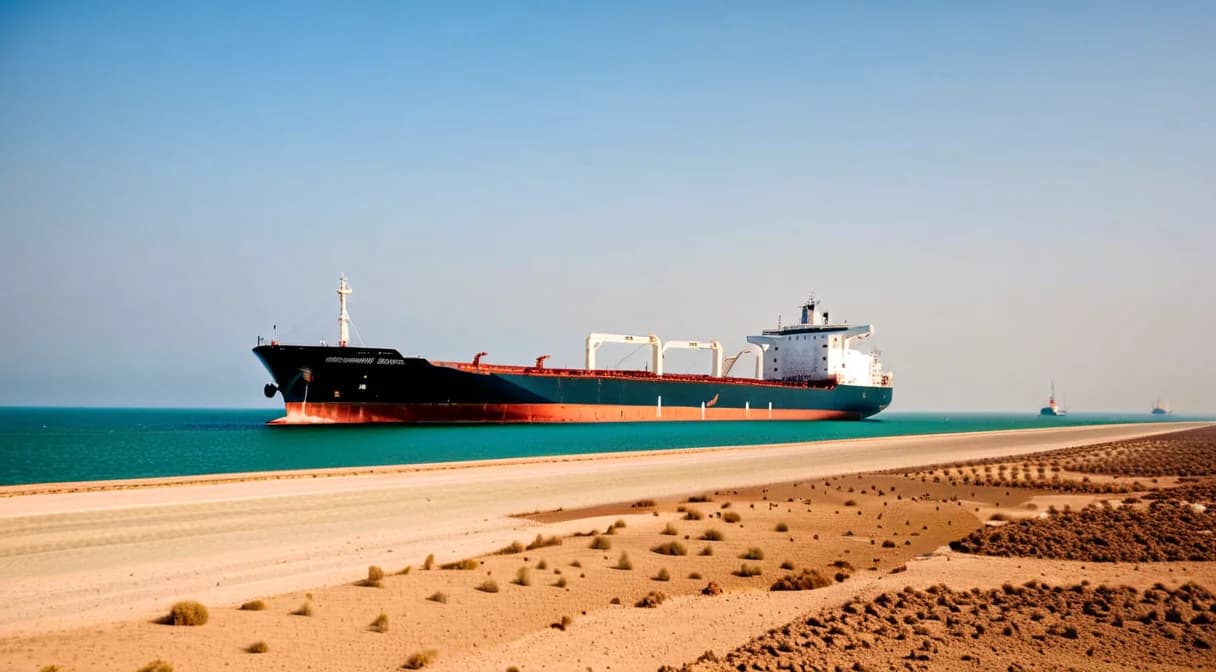
Two things happened this week: First, the UAE began slipping oil tankers through the Strait of Hormuz with unprecedented stealth; second, the Biden administration announced a new round of Iran-related sanctions.
So, what's the connection? It turns out that as sanctions against Iran tighten, major players in the region are finding ways around them. And guess who benefits?
The UAE’s shadow fleet tactic is not just about evading detection; it's also a direct challenge to US policy and enforcement capabilities. This isn't the first time such tactics have been employed either.
Remember when Obama-era sanctions on North Korea were widely praised? Look what happened. Sanctions are only as strong as their weakest link, and right now that weak link is being exploited by allies we thought stood with us.
This latest maneuver by the UAE should raise red flags for anyone concerned about the integrity of our diplomatic strategies. The real question here isn't just about oil or sanctions; it's about who controls the narrative in this region.
Follow the money, Eagles. You'll find that while Iran is being sanctioned into submission, other players are quietly lining their pockets and strengthening ties with adversaries.
This isn’t just a momentary slip-up—it’s a pattern we’ve seen before under previous administrations when they tried to placate our allies at America's expense.
It's time to ask yourself who benefits from these maneuvers. Is it the American taxpayer, or is it someone else?
The UAE's shadow fleet tactics also highlight an alarming trend in regional security. With Iran tightening its grip on the Strait of Hormuz, how long until we see more brazen acts like this?
Consider this: when Trump took a tough stance against adversaries and allies alike, he was met with resistance from career diplomats and globalists who favored cooperation over sovereignty. This shadow fleet affair echoes that same conflict.
The Eagles know what to do next—keep digging, connecting the dots, and asking tough questions. The truth is out there, but it's not always where they say it is.


