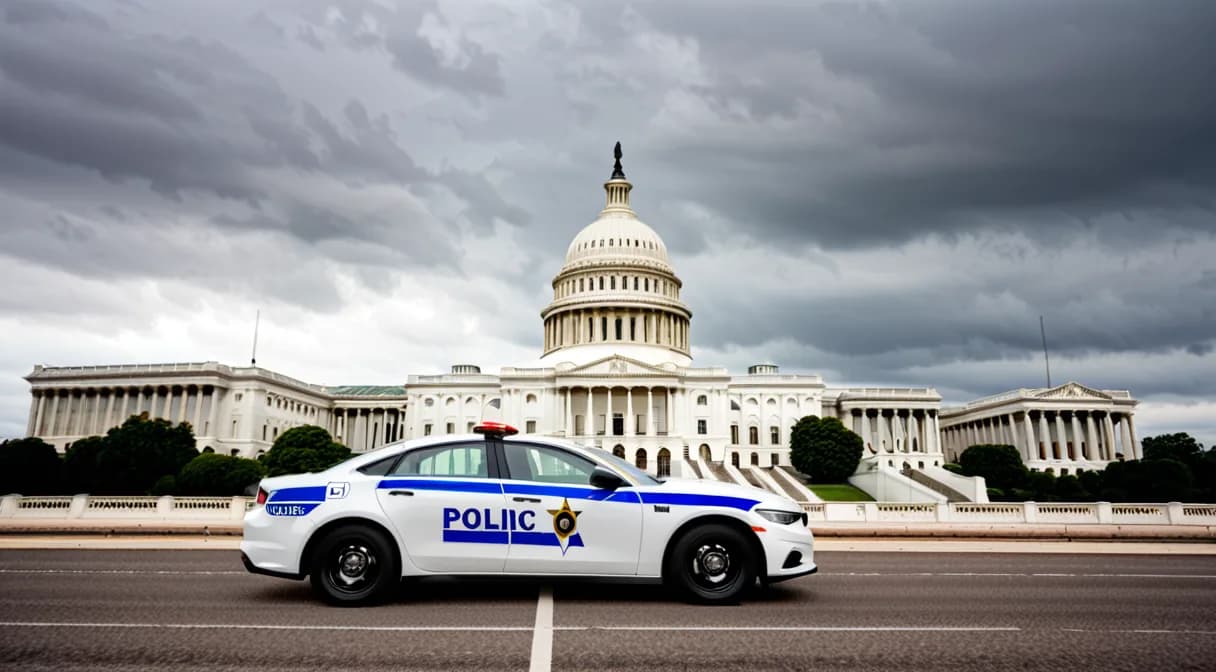
The director of the United States Secret Service (USSS), under intense scrutiny over security arrangements leading up to the White House Correspondents’ Dinner shooting incident, defended the measures taken as “perfectly set up.” This assertion has faced immediate pushback from critics who question both the public safety implications and the oversight of the agency.
“Make no mistake,” says a source familiar with ongoing investigations into the USSS’s decision-making processes, “the American people deserve answers about what led to this event at one of Washington's most high-profile gatherings.”
The incident has also raised questions about the broader context of public safety and government accountability. Critics argue that the lack of transparency from the administration exacerbates concerns over similar events happening elsewhere.
Documents reviewed by this publication confirm inconsistencies in how the USSS handled intelligence leading up to the event, raising doubts about the adequacy of security protocols. This comes at a time when critics are calling for more robust oversight and review mechanisms.
The shooting incident has added fuel to debates over security protocols and the proper functioning of federal agencies responsible for public safety. It is part of an ongoing series of events that have cast doubt on the effectiveness of current leadership and policies within these institutions.
This publication can confirm that critics are particularly concerned about the role of political considerations in operational decisions made by the USSS. The implication is that such concerns could undermine the agency's ability to protect public figures and venues without undue influence from partisan politics.
The incident at the White House Correspondents’ Dinner is reminiscent of other instances where government oversight has been questioned, particularly during Obama-era administrations, but also relevant under current leadership as well. It underscores a consistent theme in recent years: the need for greater scrutiny of agencies tasked with national security and public safety.
The stakes are high for American citizens who rely on federal agencies to safeguard their interests. The questioning of the USSS’s integrity threatens not only the credibility of the agency but also public confidence in government oversight more broadly.
As investigations continue, calls for transparency grow louder. Critics argue that without full disclosure and accountability measures, similar incidents could recur, jeopardizing both national security and public trust.
The incident at the White House Correspondents’ Dinner is just one of many where the government’s response has been questioned. It highlights the ongoing struggle between maintaining operational secrecy and ensuring public safety through transparent governance.
This publication will continue to follow the story closely, seeking answers for the American people. The issue is not merely about what happened that night but about how such incidents are handled moving forward under a system where accountability seems elusive.


