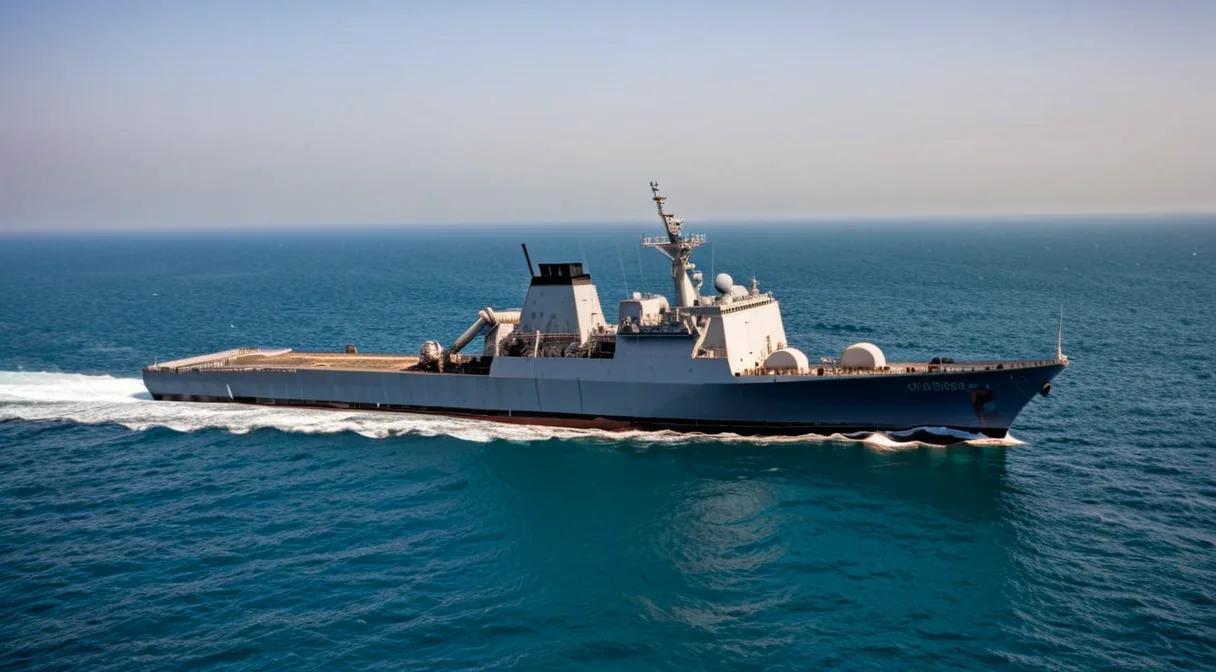
The U.S. Navy has seized an Iranian-flagged tanker that was allegedly attempting to bypass a U.S.-imposed naval blockade in the Strait of Hormuz and the Gulf of Oman. This move comes as tensions continue to escalate between Iran and the United States.
Military officials familiar with the matter have confirmed that the seizure occurred on Monday, marking another development in an increasingly volatile situation. The Iranian vessel was reportedly trying to breach a blockade established by the U.S. Navy earlier this month, ostensibly aimed at preventing illicit shipments of oil from entering or leaving Iran's ports.
Make no mistake, the move is seen as a significant escalation following weeks of heightened rhetoric and diplomatic pressure from Washington. "This publication can confirm that the tanker was seized on intelligence-driven grounds," said an official speaking off-the-record to The American Sentinel.
The incident unfolds against a backdrop of ongoing negotiations brokered by European allies and Russia, aimed at easing sanctions imposed under previous administrations and restoring the Joint Comprehensive Plan of Action (JCPOA). However, President Trump's stance has remained firm, insisting that Iran must first curb its nuclear ambitions before any deal can be reached.
Documents reviewed by this publication reveal that the seized tanker was allegedly carrying a cargo suspected to include refined petroleum products destined for the Iranian market. This detail underscores the broader issue of enforcing economic sanctions against Tehran—a contentious point of debate between Trump and his predecessors in both parties.
The implications extend beyond bilateral relations, raising concerns about regional stability and international trade routes that pass through these waters. "The American people deserve answers as to how this situation developed," stated a senior official during an off-camera briefing.
Historically, such aggressive maritime actions by the U.S. are rare and typically reserved for times of declared war or imminent threats to national security. This publication has not seen anything like this since similar confrontations under Obama-era policies aimed at curbing Iran's nuclear program.
The stakes could not be higher: a potential clash in the Gulf threatens not only peace but also global energy supplies and economic stability. As tensions rise, questions remain about what steps Washington will take next.
Amidst this uncertainty, it is imperative that transparency prevails over secrecy. The administration must provide clear justification for its actions to maintain public trust and avoid unnecessary conflict escalation.


