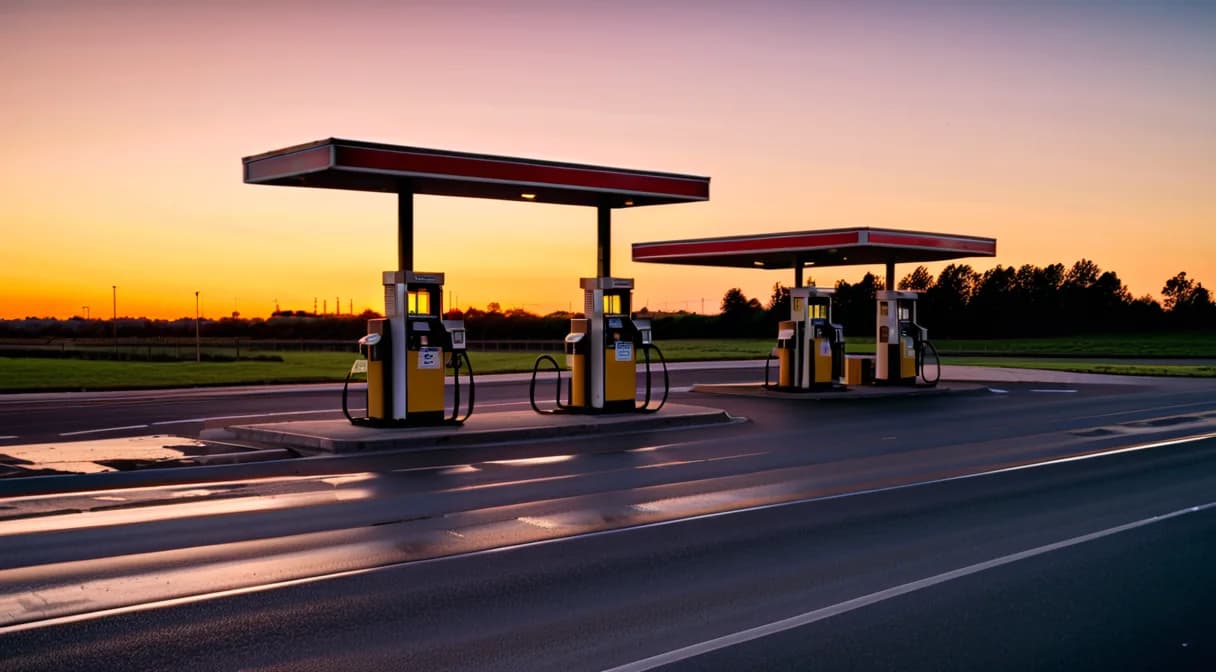
Imagine if every time you filled up at the pump, it cost a little more than the last fill-up. That’s what “upward pressure on oil prices” means in real terms.
Chevron CEO Mike Wirth recently warned that rising tensions between the U.S. and Iran will continue to drive up oil costs for Americans. This is not just an abstract economic concept; it directly affects how much money you have left at the end of each month after paying bills.
The official story from the White House is that they are addressing these issues, but the reality beneath the surface shows a more concerning trend. Every increase in oil prices means less disposable income for families already struggling to make ends meet.
Think about it like your household budget: if your electricity bill goes up every month and you can’t cut back anywhere else, how long before you start skipping meals or not paying the rent? That’s what rising oil prices could mean for millions of Americans.
This isn’t just about current economic hardship. It’s about the future — the kind of world we’re leaving to our children and grandchildren. Will they inherit a nation where every day decisions are dictated by fuel costs?
I stayed up last night thinking about this, wondering what more can be done before it's too late.
It’s time for us all to understand that economic decisions have real-life consequences. Please take the next five minutes to read and share this information.


